Case study 02Technology · Marketing · Strategy
Google Student Ambassador
- Role
- Google Student Ambassador, Syracuse University
- Organization
- Timeline
- Aug 2026 — Present
- Focus
- Technology · Marketing · Strategy
Impact at a glance
5
workshops
500+
students reached
6
campus organization partnerships
01
Project overview
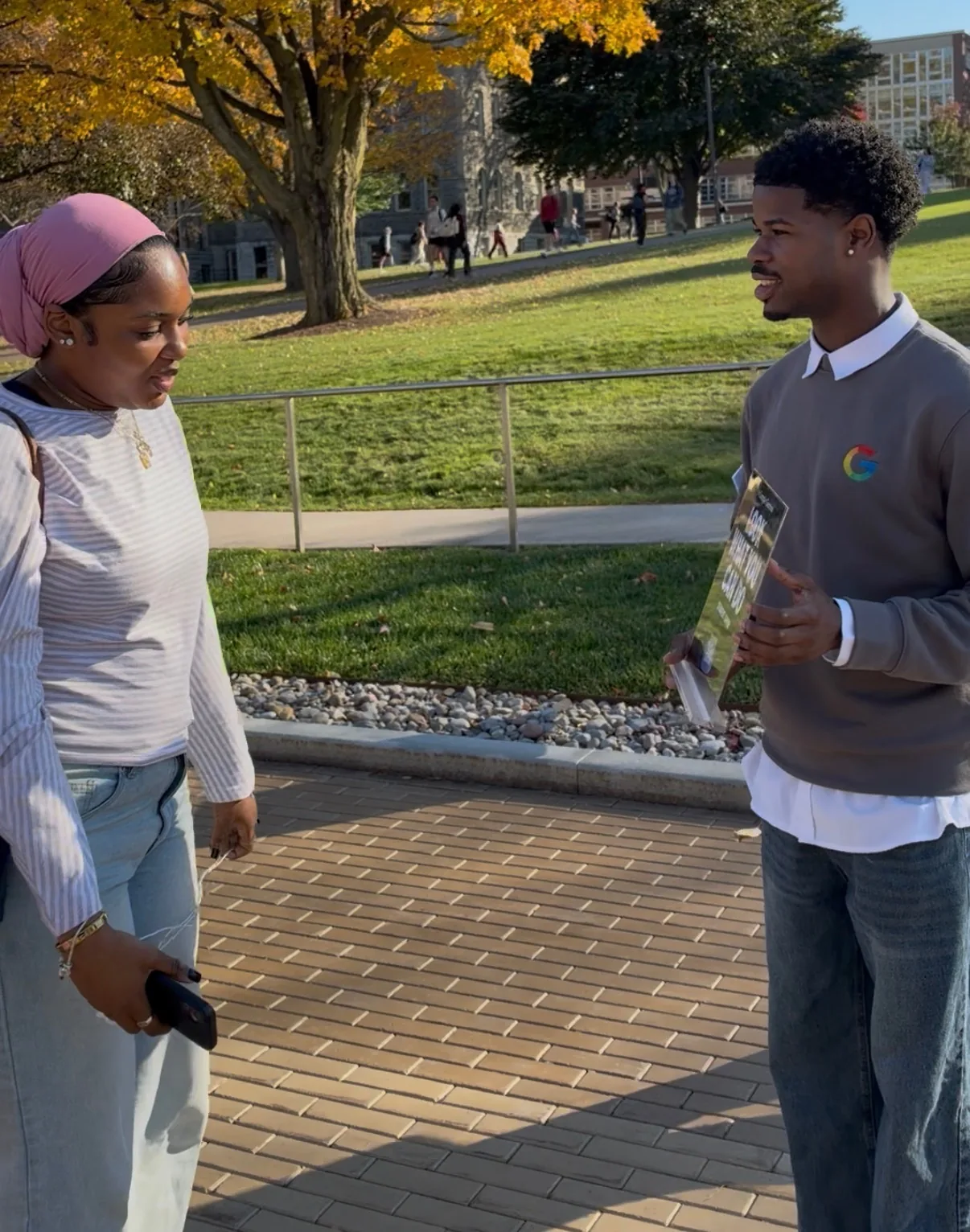
As a Google Student Ambassador, I help Syracuse students get real use out of Google’s tools through workshops, live demos, campaigns and partnerships with student organizations.
The focus is Gemini, and specifically how students can use it for coursework, research and staying organized.
02
The challenge
A new tool only matters once people actually use it. The job is to move Syracuse students from having heard of Gemini to using it in their own work, and to show that progress with real numbers instead of anecdotes.
03
Goals and objectives
- Objective 01
Drive Gemini adoption among Syracuse students.
- Objective 02
Build awareness through targeted campaigns and live demonstrations.
- Objective 03
Reach students through partnerships with student organizations.
- Objective 04
Use workshop feedback to make the next round of programming better.
04
My role and responsibilities
As a Google Student Ambassador at Syracuse University, I run the campus workshops, campaigns and demos.
- Lead campus workshops in partnership with student organizations.
- Create targeted campaigns and live product demonstrations.
- Track activations, sign-ups, social impressions and engagement.
- Analyze workshop feedback and turn recurring patterns into recommendations for future programming.
05
Strategy and approach
Step 01
Outreach
Partner with student organizations (6 so far) to reach students through communities they already belong to.
Step 02
Engagement
Live demos built around coursework and productivity, so students see the product solving problems they actually have.
Step 03
Events
5 campus workshops delivered with partner organizations.
Step 04
Measurement
Activations and sign-ups to measure adoption, social impressions and peer engagement to measure awareness, and workshop feedback to spot recurring needs.
06
Execution and deliverables
Workshops
5 campus workshops on using Gemini for school and productivity.
Campaigns
Targeted campaigns and live demonstrations to build awareness.
Partnerships
6 student-organization partnerships.
Recommendations
Workshop feedback turned into clear next steps for campus plans.
07
Results and impact
Organization
Program outcomes
- 5 workshops
- 500+ students reached
- 6 campus organization partnerships
- Activations and sign-ups tracked
Individual
What I personally did
- Led the campus workshops
- Created targeted campaigns and live demonstrations
- Built partnerships with student organizations
- Turned feedback into recommendations for future programming
08
Lessons learned
- 1.People adopt a tool when it helps with something they already have to do. A tour of features doesn’t stick. Showing Gemini working on the coursework, research and planning students already deal with is what gets them to try it, so I start with the student’s problem and bring the product in second.
- 2.Go where people already are. Partnering with 6 student organizations put the workshops in front of groups that already trust each other, which is much easier than asking students to show up to something new on their own.
- 3.Reach and adoption are two different numbers. Reaching 500+ students is a start, but activations and sign-ups are what show whether anyone kept using it afterward. I now decide what “worked” means before an event, not after.
- 4.Feedback is only worth collecting if it changes the next session. Reading workshop feedback for the needs that keep coming up, and turning them into specific recommendations, is what keeps a program improving instead of repeating itself.